Halliday's story is one of settlers, railroads, and the resilience of a small prairie town.
It started with a promise
It all started with the promise of a new life. Halliday was home to a surge of settlers wanting something more. The city began in 1914 as a transplant from an old site two miles north of present-day Halliday. Many of its early residents were newcomers from overseas willing to face the challenges of building a life on the North Dakota prairie.
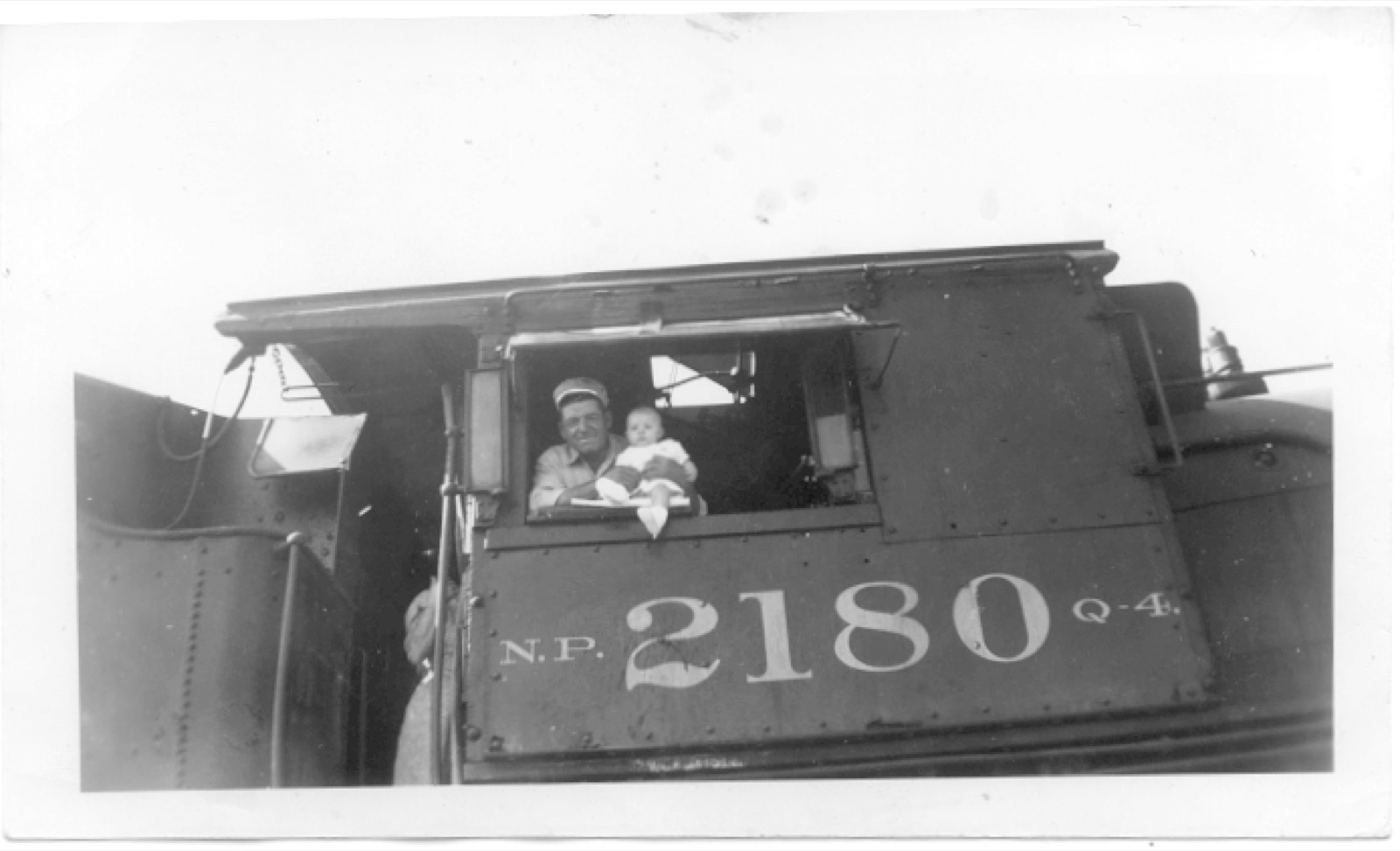
It was the railroad that became the engine of settlement and sparked the possibility of a brighter future. Pioneers flocked to the region, and soon the area was thriving with people and businesses — Halliday topped 1,000 residents in its early decades.
Through the storms
In the dirty 30s the stock market crashed and the Great Depression took the shine off from the sparkle of prosperity. Then in 1984, the abandonment of the rail line from Zap to Killdeer proved disastrous — communities were forced to find new ways to create economic growth.
Werner, once an even larger community than Halliday, could not weather the storm. By the early 1970s the town was empty. Unlike Werner and many other small communities, Halliday survived — helped by its location on the north–south crossroad of Highway 8.
Halliday today
As of 2020, 241 people, 93 households and 52 families call Halliday home. In 2014, the city celebrated its 100th birthday in true centennial style, and former residents from all over the country came back to visit the small North Dakota town they once called home.
"Big things come in small packages" is the best way to describe Halliday. We may be small, but we are mighty — and we invite you to visit any time and find out for yourself.
Honoring our heritage
Halliday sits at the edge of the Fort Berthold Reservation, homeland of the Mandan, Hidatsa, and Arikara Nation. Regional pow wows celebrate that living heritage with dance, drum, and regalia passed down through generations — a reminder of the peoples who called this land home long before the railroad.